The New Hampshire State Fire Marshal’s Office is reminding residents to make informed decisions when purchasing, using, and maintaining safety equipment and household appliances, especially carbon monoxide (CO) alarms, boilers and fuel‑burning devices. The NHSFMO also encourages residents to have equipment installed by qualified professionals and to read the instruction manual.
Recent incidents in the state linked to carbon monoxide poisoning underscore the importance of purchasing certified, reliable products and maintaining them in accordance with the manufacturer’s instructions. Last month, members of Plymouth Fire Rescue determined an on-demand water heater had malfunctioned and leaked carbon monoxide, leaving two residents hospitalized with life-threatening injuries. Investigators later confirmed the water heater had an active recall.
“Buying smart doesn’t stop at the register, and it’s not enough to maintain your equipment,” said New Hampshire State Fire Marshal Sean P. Toomey. “After you purchase and install an appliance, occasionally look for recalls. Items like boilers, heaters, kitchen appliances, lithium-ion battery products, and alarms can be recalled months or even years after they’re sold, and staying informed ensures the products in your home are both reliable and safe.”
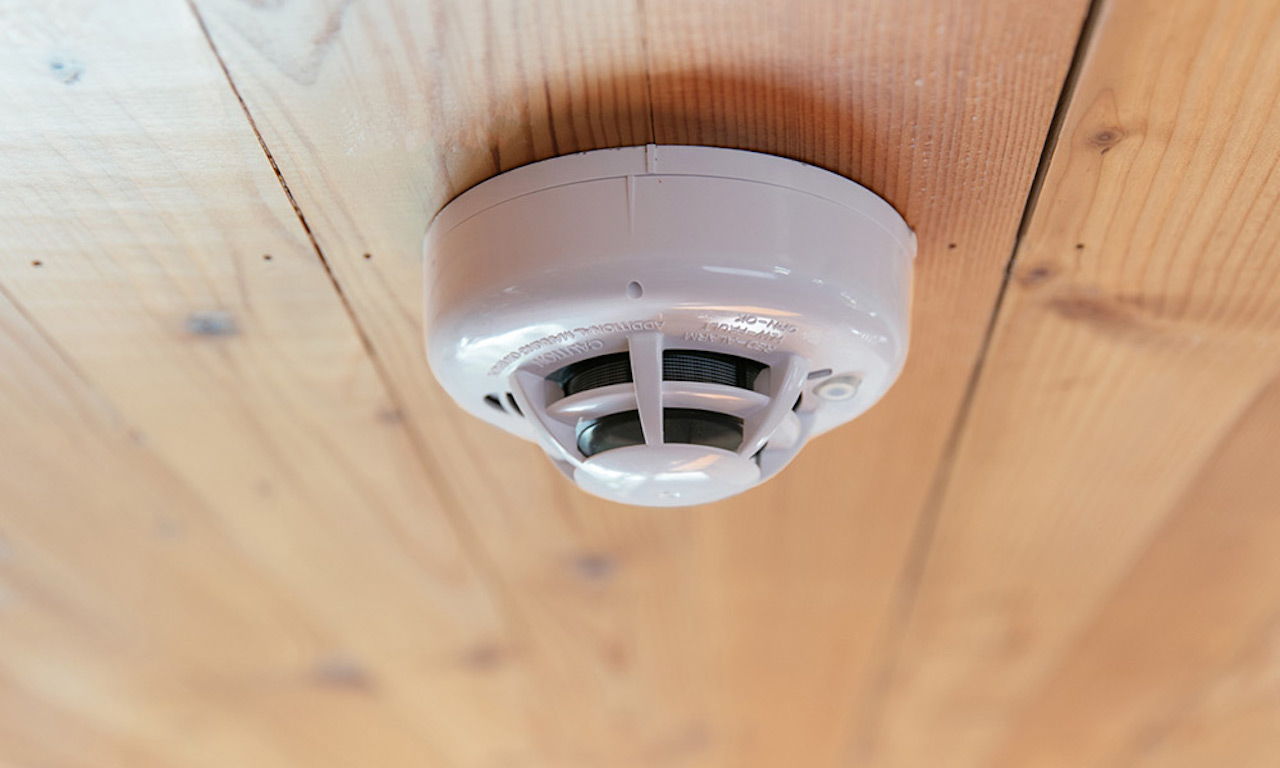
In February, the U.S. Consumer Product Safety Commission (CPSC) notified purchasers that thousands of smoke alarms had been recalled after determining the product may fail to sound and warn homeowners during a fire. A separate warning was issued in 2024 for combination smoke and carbon monoxide alarms. CPSC’s Recalls & Product Safety Warnings database also indicates that 11 boilers have been recalled over the past five years.
“When it comes to protecting your family, it’s essential to purchase from reputable retailers and verify that devices meet nationally recognized standards,” said Toomey. “Also, remember to replace alarms and batteries as recommended by the manufacturer.”
Consumers should report incidents or safety concerns at SaferProducts.gov, where they can also find the most up-to-date information on existing recalls.