Rochester Colonial Moments, a historical series highlighting notable moments from Rochester’s past, in collaboration with the Office of Mayor Chuck Grassie, is brought to you by Patrick O. Connelly, Rochester, New Hampshire, historian.
In this edition:
Rochester N.H. First Meeting House Part II
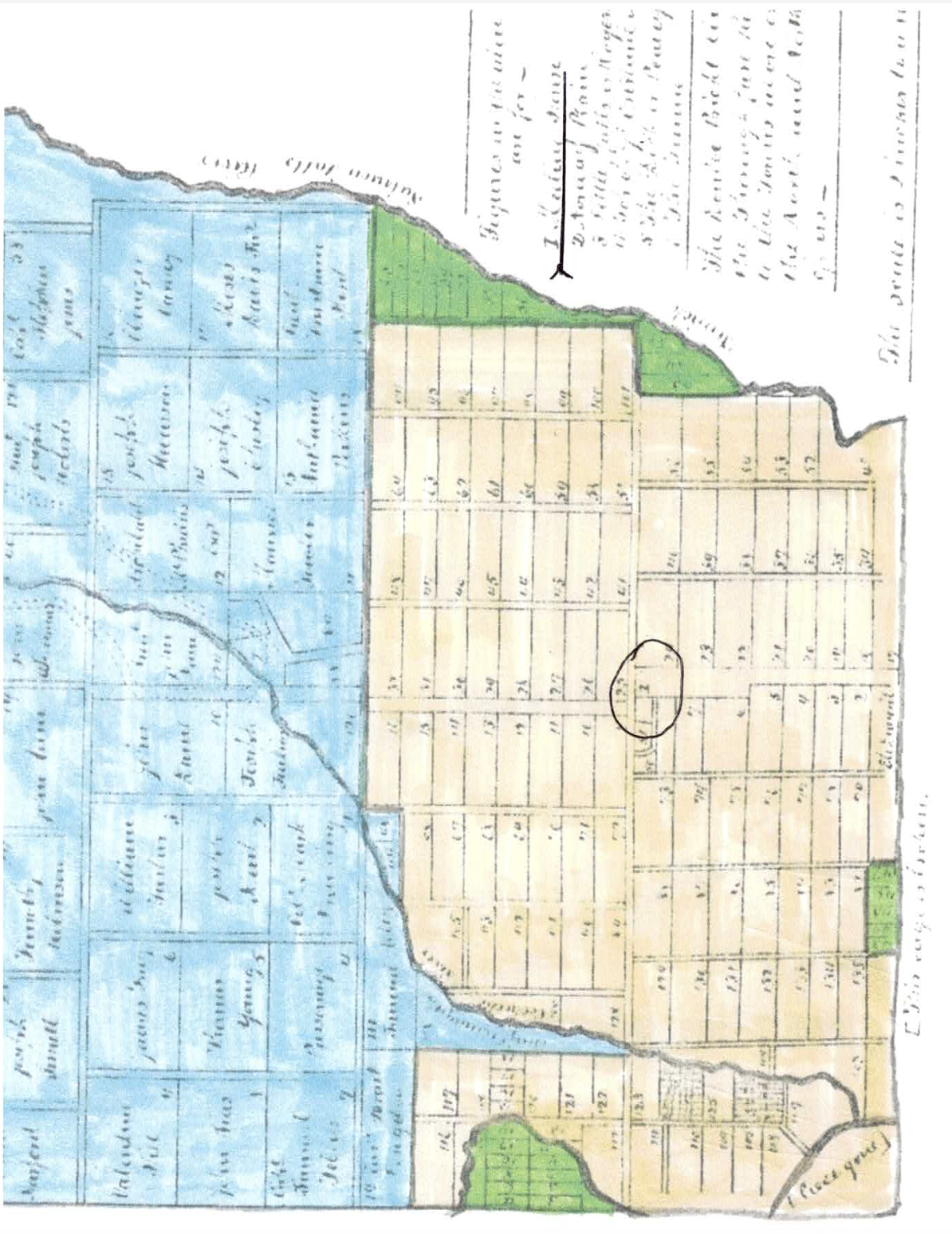
In the original town divisions plot, the first meeting house was located in the center of the first division, just off the main road to/from Dover from Rochester. The actual location of the meeting house is described in the plot for the burial grounds, as noted on the plot below. According to the original description of the burying grounds in Part I of this article:
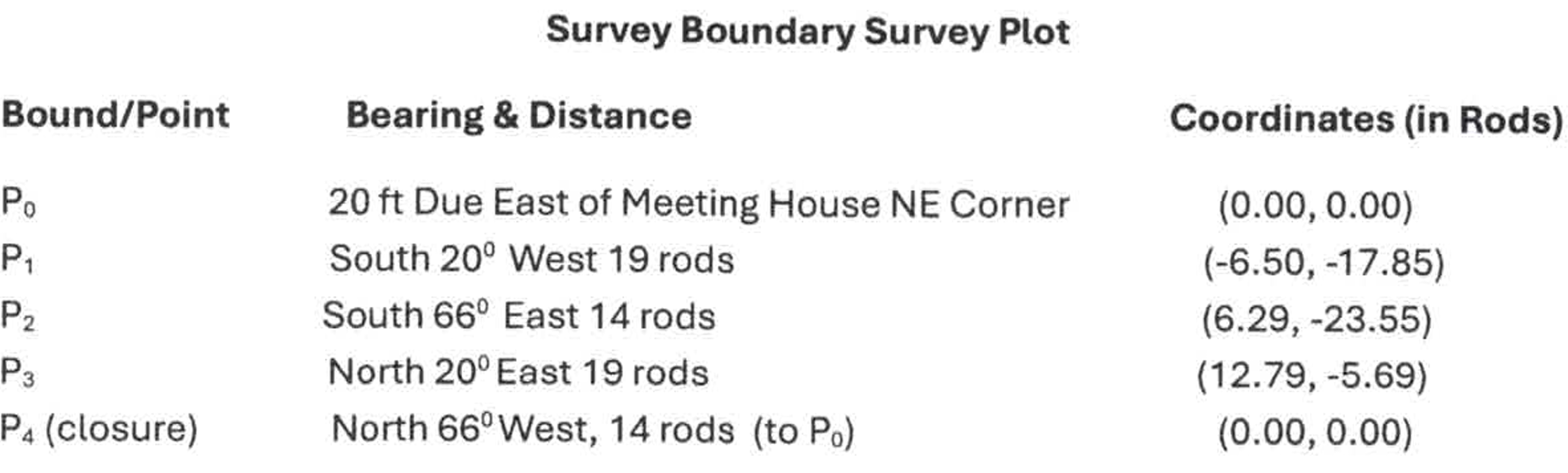
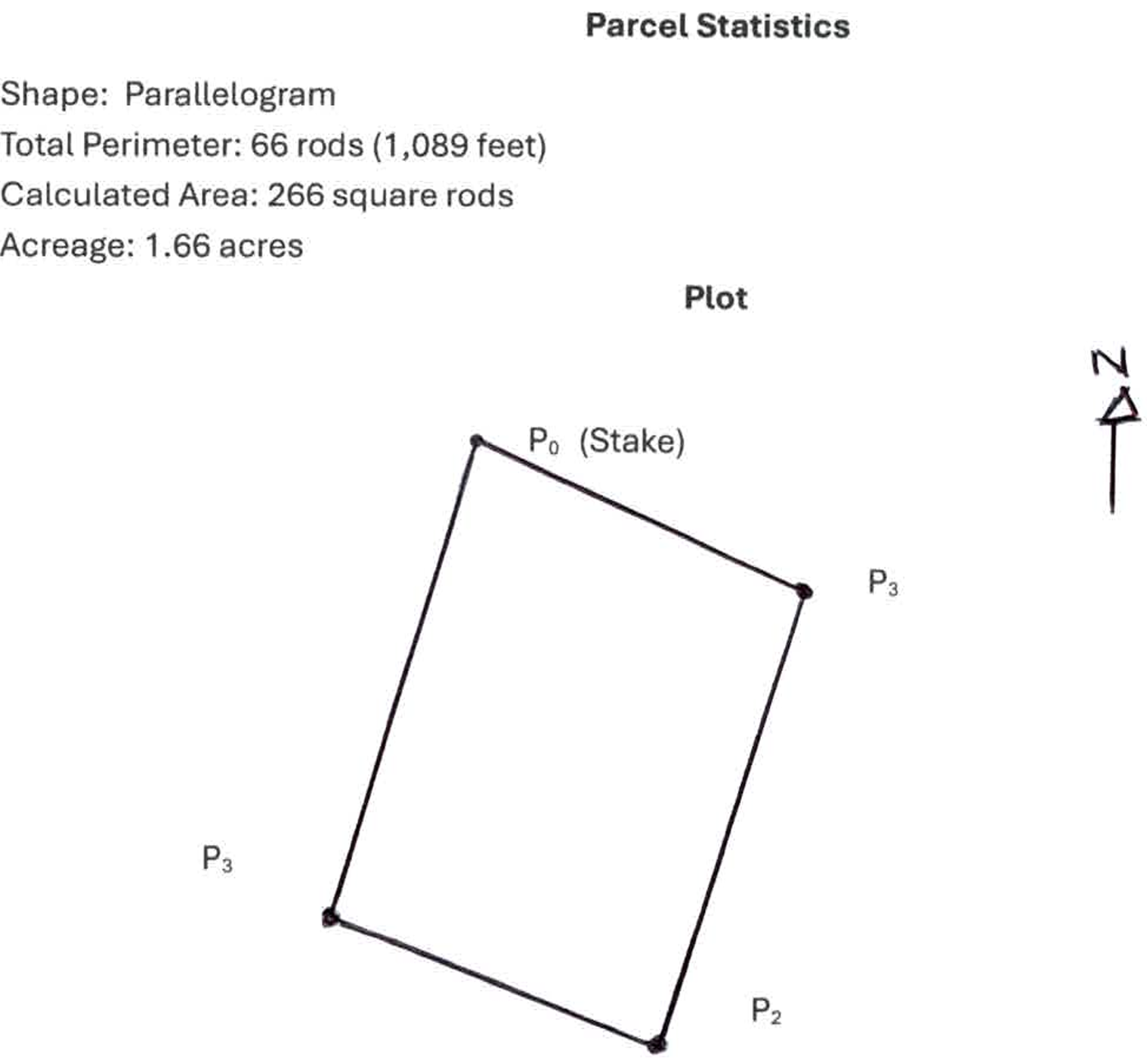
Po represented the beginning point of the burying grounds plot and was located 20 ft due east of the Northeast corner of the meeting house. By measuring 20 ft due west of that stake, we should determine the northeast corner of the first meeting house. In 1915, the Mary Torr Chapter of the Daughters of the American Revolution placed a plaque on a rock presumably in the area of the first meeting house, suggesting that it was the original site of the First Church Congregational in Rochester and dated it 1731. The effort at preserving the memory was noteworthy.
However, the imperative for constructing the building was to provide a meeting house for the plantation; established by charter in 1722, introduced its first permanently settled family, that of Timothy Roberts in 1728, and, having settled the necessary sixty families in 1737, was established as a legal township. The Rev. Amos Main was installed as the first minister of the town in 1737, thereby establishing a timeline for the ministry, hence the congregational church in the town. The complete story of town development may be found in the recently published colonial history of Rochester, N.H.”
The proprietors took up the building of the meeting house at its meeting of 20 April, 1730 and in that period of history, such a building as they proposed should have taken a few years to plan, assemble elements and introduce a framed building for town meetings, and by extension, hold church meetings as well. Regardless, the notice of proprietor’s meeting dated April 7, 1732 directs the town to meet at the “meeting house in y* s® Town of Rochester.” Other than the size of the meeting house provided in Part I of this article, little is known of the cost and time of construction.
The site of the first meeting house on Haven (now Rochester) Hill remains, awaiting visits from this generation of townspeople. With the information in this article, visitors may place themselves as did locals in the 19″ Century and enjoy the journey.
In the next article, we will investigate the later meeting house of 1780 that provided much information of value to those attempting to understand the life of the mind of Rochester in the colonial period. Enjoy the journey.