As the 2026–2027 winter season approaches, Rochester Welfare Director Todd Marsh is providing an update on the Warming Center for Strafford County, including temporary emergency shelter arrangements as construction of the new, permanent facility in Dover nears completion.
The temporary emergency warming center will be available for activation from November 15 through December 15, 2026, at the Veterans Building, 156 Back River Road in Dover. The facility will provide cots and overnight accommodations during periods of severe winter weather.
East Coast Evolution Leadership, the contracted operator, will operate the temporary facility and coordinate transportation when the center is activated.
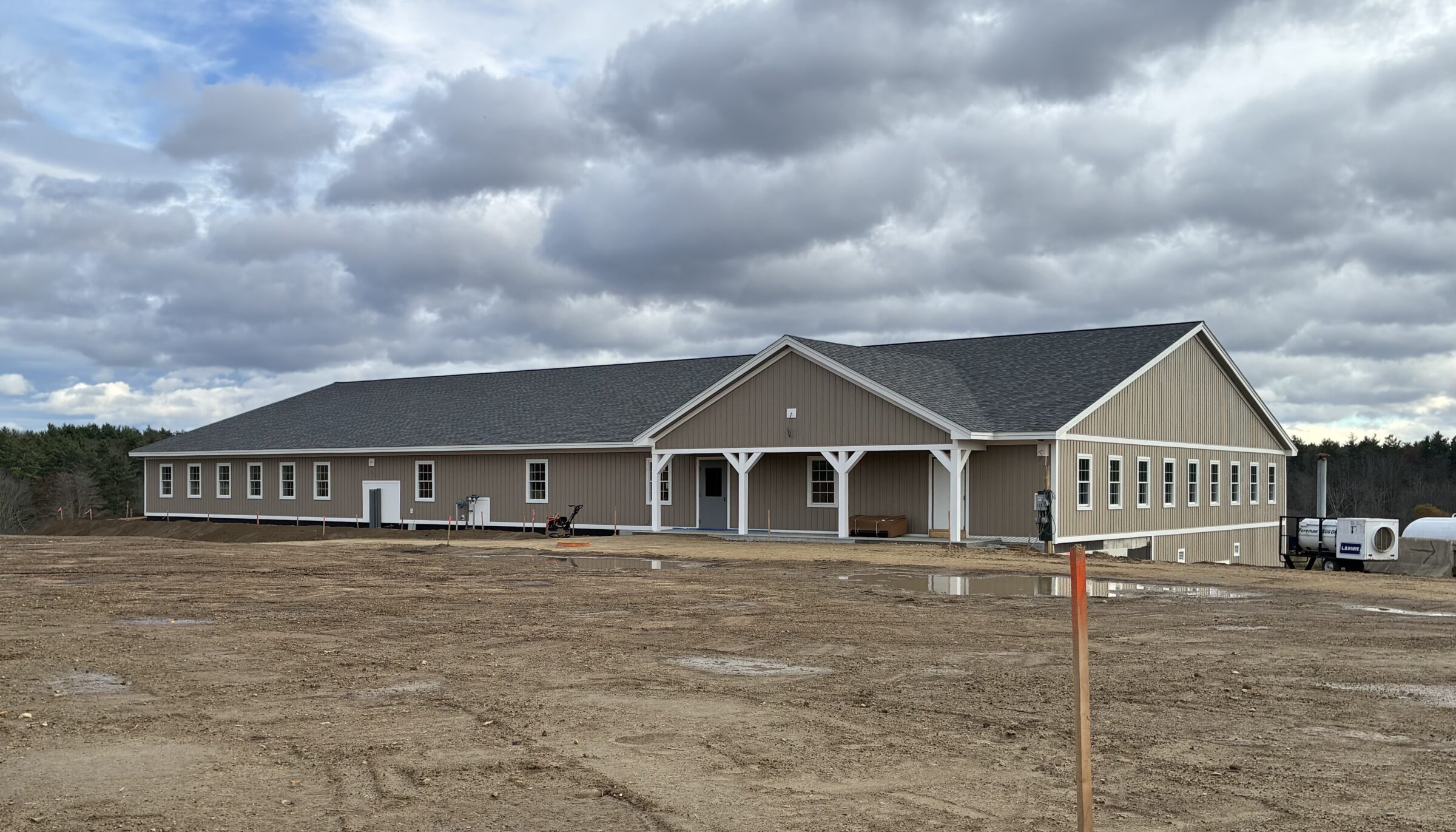
Meanwhile, construction of the new, permanent Warming Center for Strafford County continues, with opening anticipated around December 15, 2026.
When the Warming Center May Be Activated
The temporary warming center is intended to provide shelter during periods of severe weather forecast between 4 p.m. and 9 a.m. Activation decisions will be made by the emergency management directors of Dover, Rochester, and Somersworth, considering established weather thresholds and forecast conditions.
Weather conditions that may warrant activation include:
- Extreme cold: Ambient air temperatures at or below 28°F for more than four consecutive hours.
- Wind chill: Wind chill temperatures at or below 20°F for more than four consecutive hours.
- Blizzard or nor’easter: Significant precipitation accompanied by high winds.
- Heavy snowfall: Snowfall exceeding six inches.
- Heavy rainfall: Rainfall exceeding two inches.
- Freezing precipitation: At least one-half inch of ice or sleet, with temperatures at or below 30°F.
Activation announcements will be shared through participating municipalities’ websites and social media channels. Residents, service providers, and community partners are encouraged to monitor these announcements for openings, hours, and transportation arrangements.
“This initiative represents a unique model of collaboration between the municipal governments of Dover, Rochester, and Somersworth and Strafford County government,” said Rochester Welfare Director Todd Marsh. “What began as an uncommon agreement is increasingly becoming a reality, demonstrating how finding common ground can lead to uncommon progress.”
“While we look forward to the permanent facility opening, the goal is to ensure that the facility meets standards of safety, durability, and functionality while remaining adaptable to the evolving needs of the communities it will serve for years to come,” Marsh continued.
The permanent Warming Center for Strafford County is being constructed on land provided by Strafford County at no cost to the participating municipalities. The approximately $3.5 million project is funded jointly by Dover, Rochester, and Somersworth, with contributions based on each municipality’s proportion of the combined equalized assessed property valuation.
“The warming center provides an important response to immediate needs, helping ensure that individuals facing dangerous winter weather have a next day, and with it, the opportunity for greater support, stability, and possibility,” Marsh continued. “It is part of a larger Greater Seacoast area sheltering effort addressing unique needs.”
Marsh emphasized the importance of viewing the warming center within the broader context of homelessness.
“Homelessness is a complex, multifaceted challenge experienced in communities throughout the world, across our nation and state, and in our own backyards,” Marsh said. “While no single initiative offers a complete solution, each practical effort contributes to a broader response that recognizes immediate needs while creating opportunities for greater stability and a better tomorrow.”
Rochester’s Broader Efforts to Address Homelessness
Beyond the regional warming center, Rochester continues to support and invest in a range of community-based resources and initiatives, both within and beyond City government, to prevent and address homelessness and housing instability. These include prevention assistance through the City’s General Assistance program; the Community Outreach Facilitator position; the Laundry Initiative; “Cutting into Homelessness,” providing haircuts to support employment opportunities; and vital records fee waivers helping individuals obtain documents for employment, housing, and other resources. Beyond these initiatives, nonprofits, faith-based organizations, service providers, businesses, and individual residents contribute in their own ways to broader community efforts addressing homelessness, housing instability, and food insecurity.
“As we work toward greater access to affordable housing, supportive housing tailored to individual needs, and post-medical-care respite for individuals experiencing homelessness, we can take collective pride in our current efforts,” Marsh added. “Meeting immediate needs and pursuing more holistic, long-term solutions are both essential parts of meaningful progress.”