A message from the Rochester Historical Society and Museum:
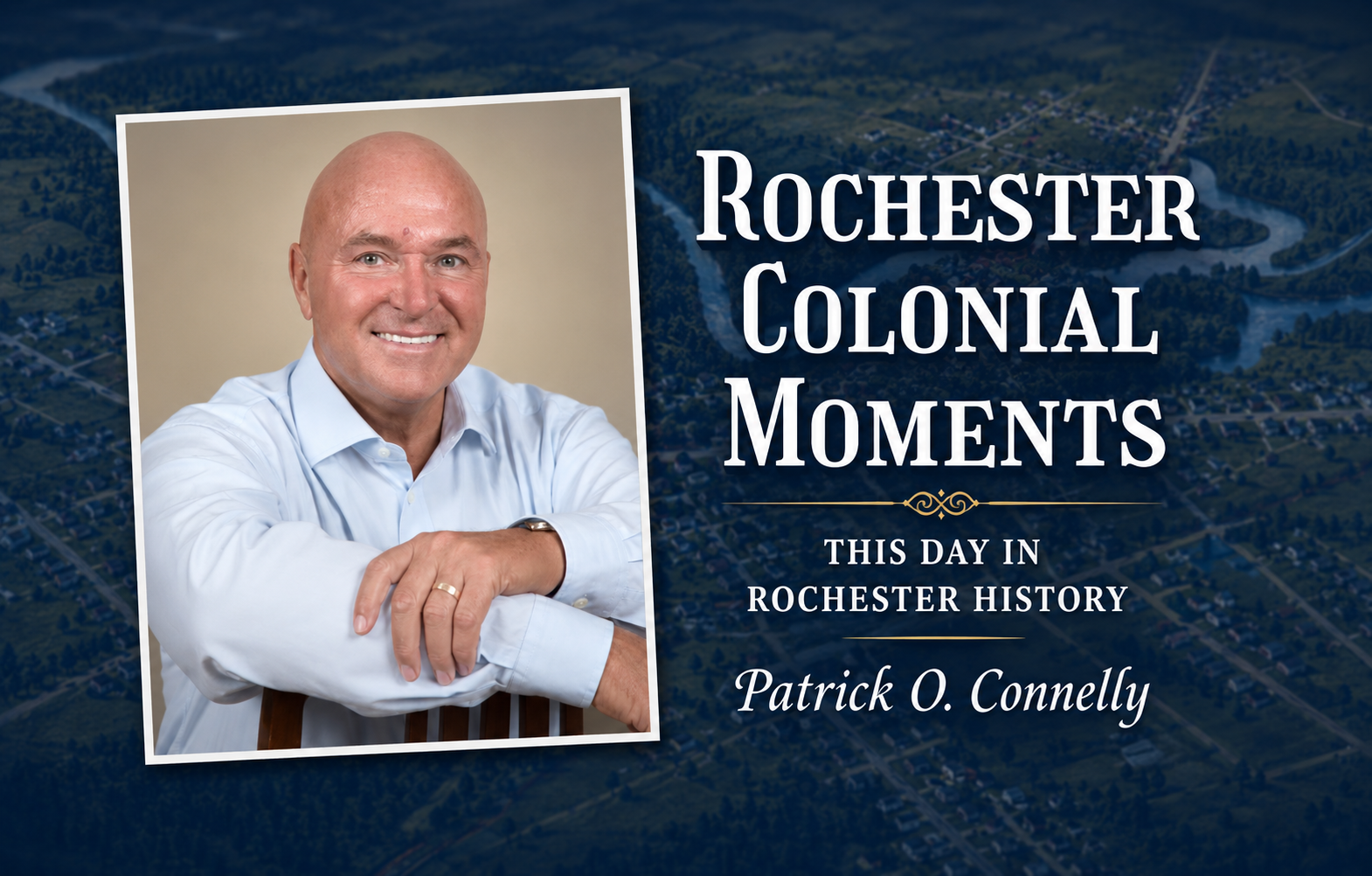
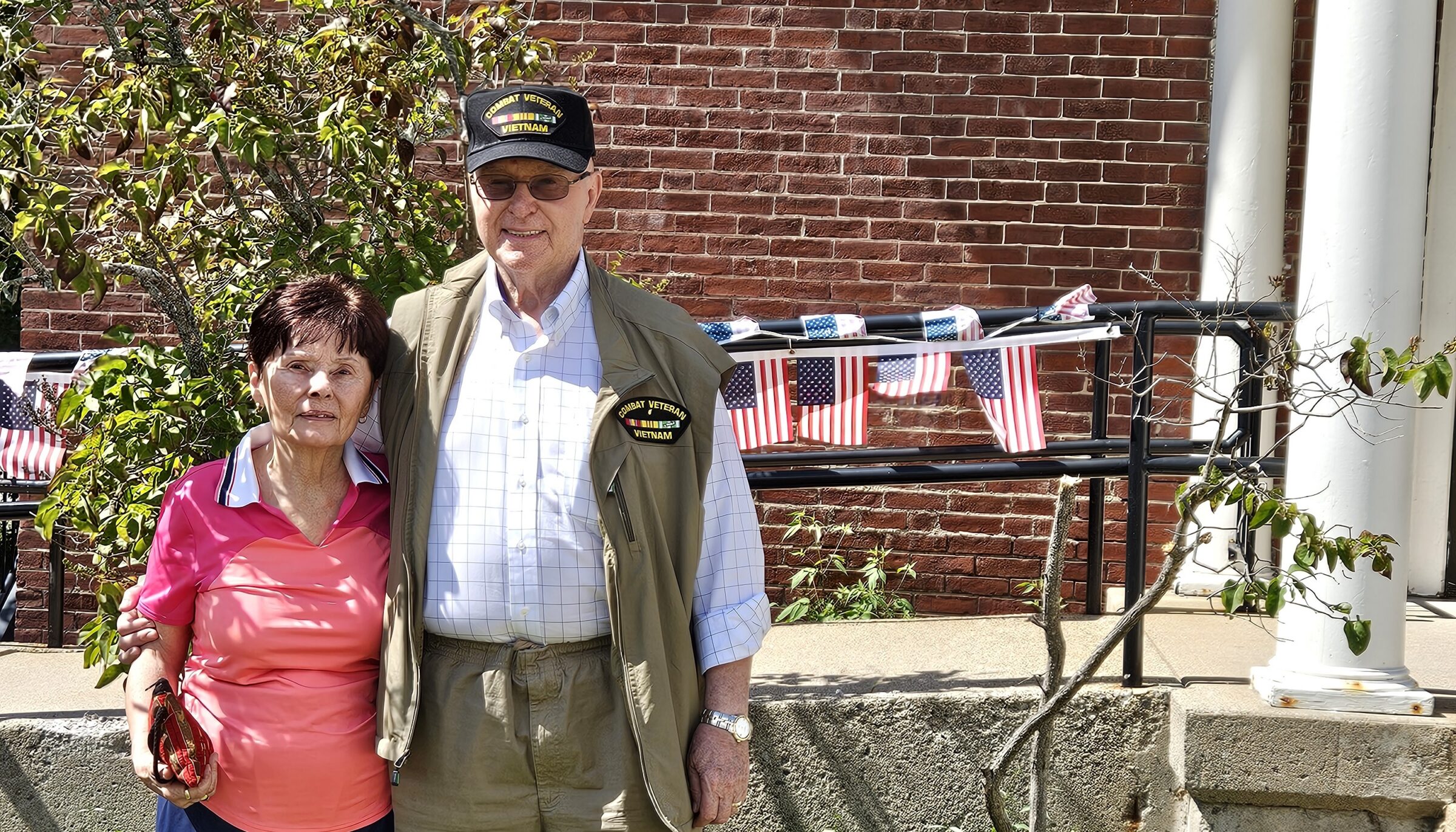
This past Wednesday, August 19th, I had the pleasure of welcoming Mr. Patrick Connelly and his wife to our museum. We talked at length about his recent book releases of Rochester’s history during the Colonial period from the early 1600’s to 1799, approximately. The night before, I attended the public meeting that Mr. Connelly presided over at the Elks and listened to an array of information which was very widespread and of significant interest to all who have a committed interest in Rochester’s founding and very early development during a time period which, up until Mr. Connelly’s book, has been given little comprehensive attention.
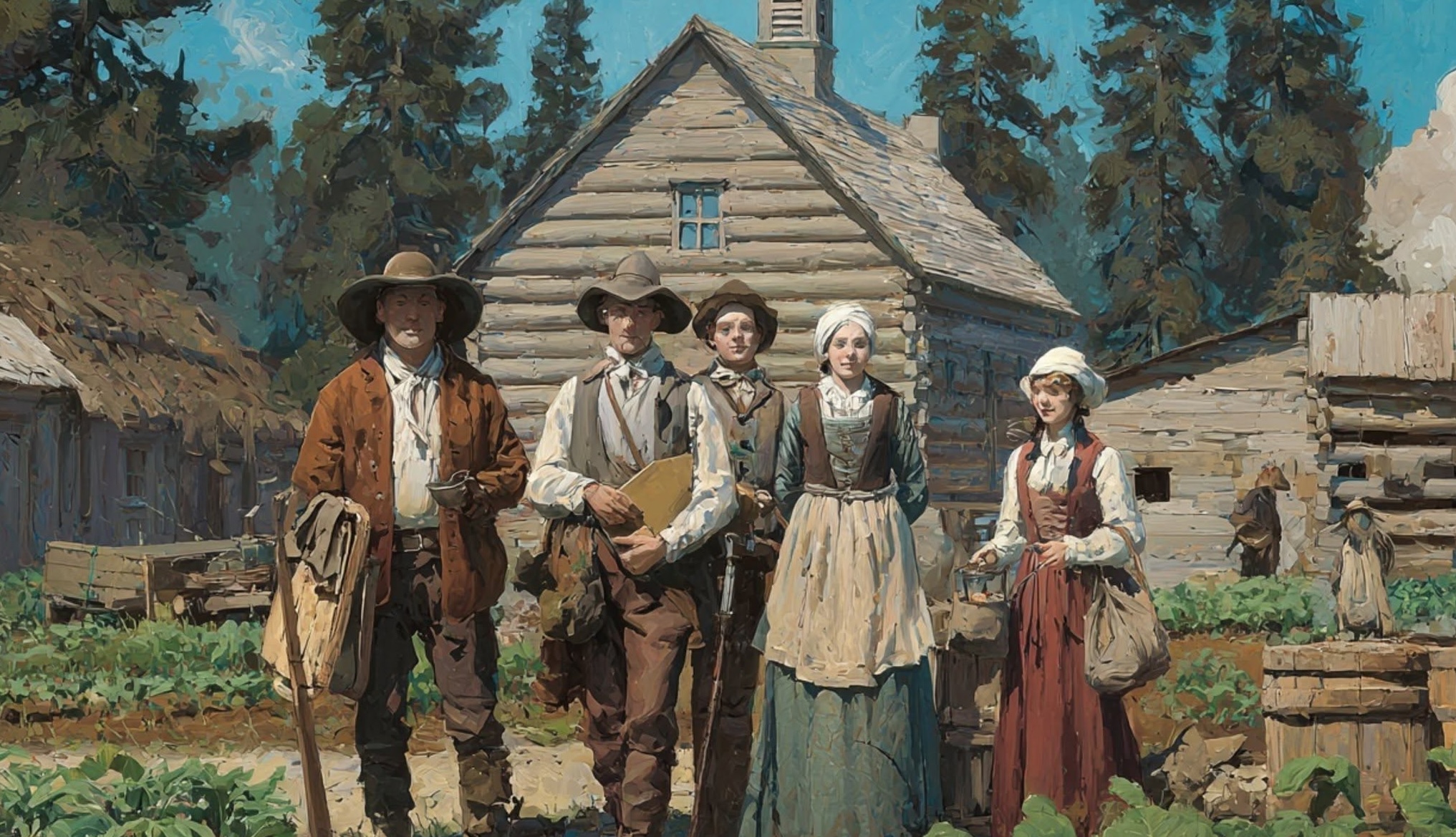
Listening to Mr. Connelly speak is a veritable treat as well as a challenge. While he explains how property was granted at the price (at that time) of pennies per acre, facts and figures are cited which at times seem to clog our curiosity. Watching him and listening to his enthusiasm reminded me of my being a kid. I’d get excited and animated. He presented everything from memory and used no script. I heard him tell of his excitement and amazement of finding so many troves of information about the time period. The explanations of Rochester’s geographical position and its natural resources, such as tall pines, were detailed and interesting. Tall pines were of great value in the time period for the shipbuilding industry. As Mr. Connelly pointed out, the felling and transport of a single tree to Portsmouth where it could be taken to England aboard ship was a long process. It sometimes took a year to navigate it via old roads which originated as paths. A pine measuring three feet at its base and topping a hundred feet in height could weigh anywhere between five and fifteen tons.
His presentation provided a compelling reason to read his books: learning how the native Indians and original settlers interacted is important to understand. When any differing cultures meet each other, some gains and losses occur. Friction takes place, as well as learning processes that affect both sides. In learning some of these facts, it rounds out an important aspect of who we are and how we got to be a nation. It’s of great interest to know of the qualities men had during this rugged time period and how these stolid qualities still support our souls, like an iron rod. At this point in our history as a nation and having experienced two hundred and fifty years of American culture, it’s of important interest as a freedom-loving people to learn of our origins.
What began as a suggested thesis topic years ago for Mr. Connelly has resulted in a compilation of information that is as bulky as can be imagined. The two volumes about Rochester total over eleven hundred pages! The years of his painstaking research and attention to fine detail now appear in print form for people to quietly peruse. The man who did all the work assembling these facts and stories sparkles with enthusiasm as he explains the details of all that he has collected over many, many years.
Mr. Connelly’s books will soon be available at our museum and are presently being offered at the N.H. Farm Museum. They are also available on Amazon.com. Each volume in the series is $39.95. Hardcover versions are available, too, at a higher cost.
Ralph Montgomery
President of Rochester Historical Society